
Decision Tracing Insights
Expert perspectives on AI governance, decision tracing, EU AI Act compliance, and building transparent AI systems that earn trust.
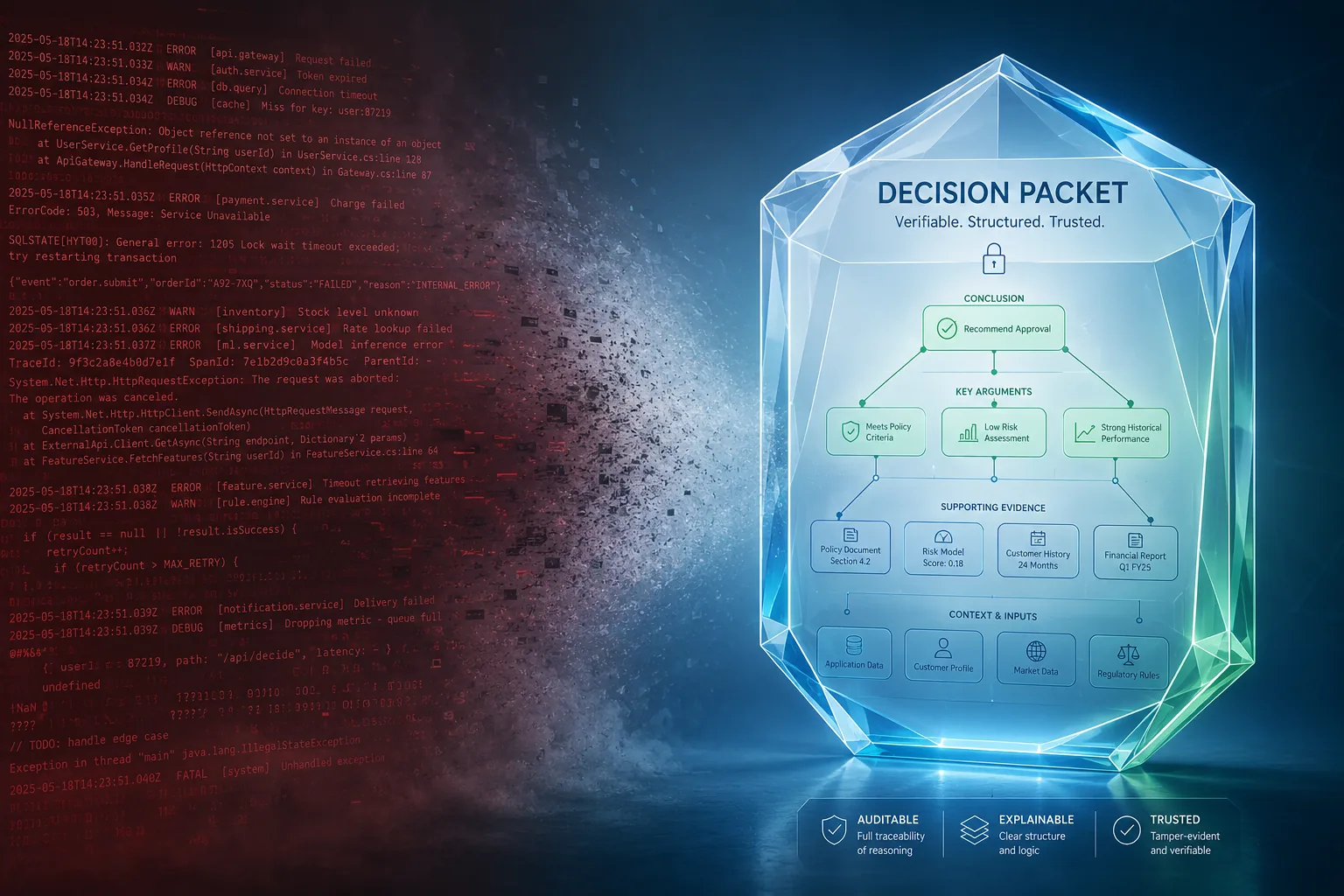
AI Decisions Deserve Receipts: Why Decision Tracing Is the Missing Layer in AI Governance
Every financial transaction gets a receipt. Every legal contract gets a signature. But AI decisions that affect millions of people? Invisible. Decision tracing changes that by capturing the WHY behind every AI decision — the options considered, evidence consulted, and reasoning chains followed.
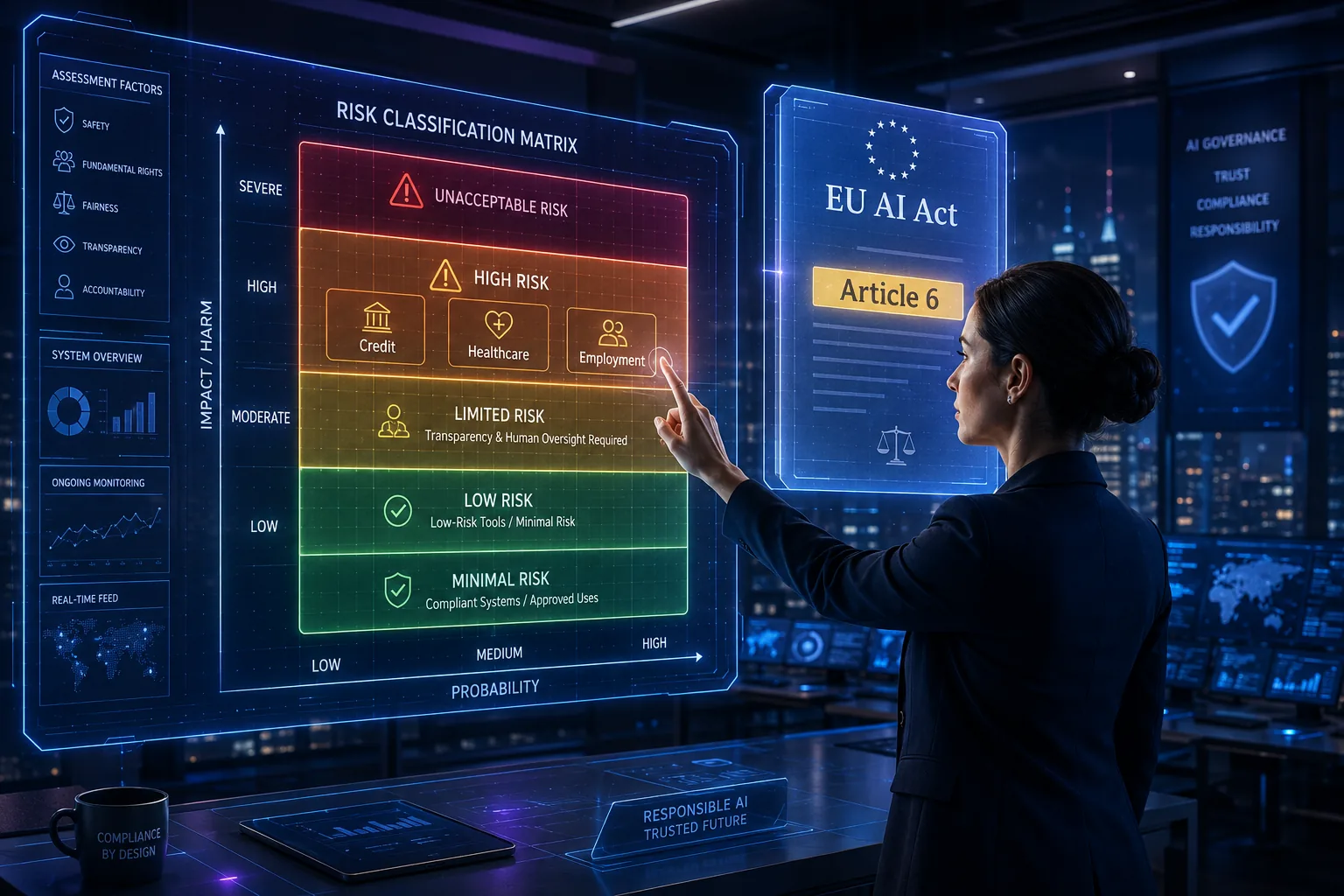
EU AI Act Article 6: What High-Risk Classification Means for Your AI Agents
Article 6 of the EU AI Act determines whether your AI system is "high-risk" — and triggers mandatory audit trail requirements. If your agents make decisions about credit, employment, education, or healthcare, you need to understand Annex III classification before December 2027.
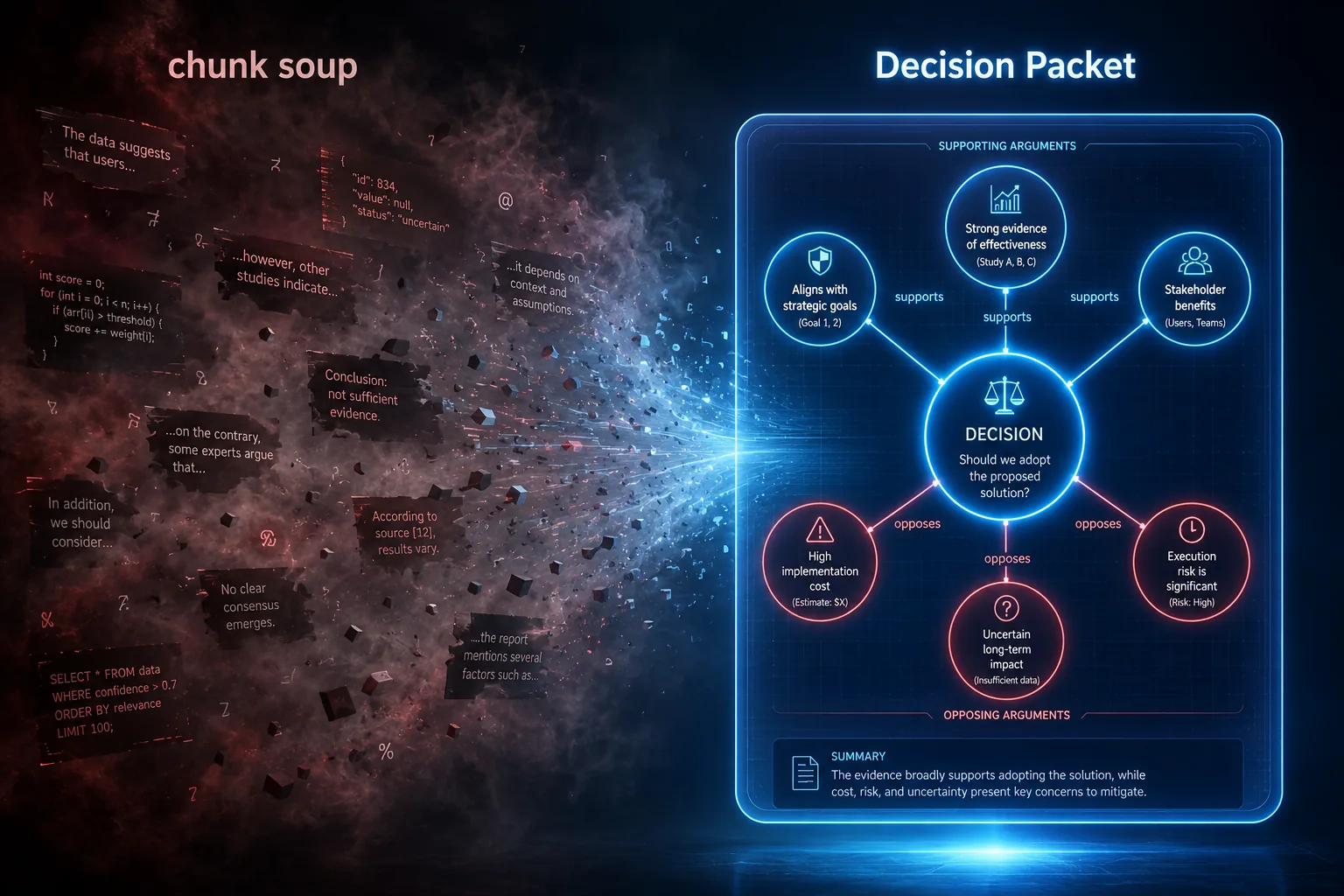
GraphRAG for AI Decisions: Why Graphs Beat Vector Search for Agent Memory
Vector RAG over logs returns "chunk soup" — disconnected text fragments that miss the counterarguments, approvals, and precedent that made a decision defensible. When decisions are stored as a normative argument graph, retrieval returns a bounded, auditable Decision Packet instead. Here is why the decision graph is the right substrate for agent memory — with the full institutional-memory flywheel now shipped.
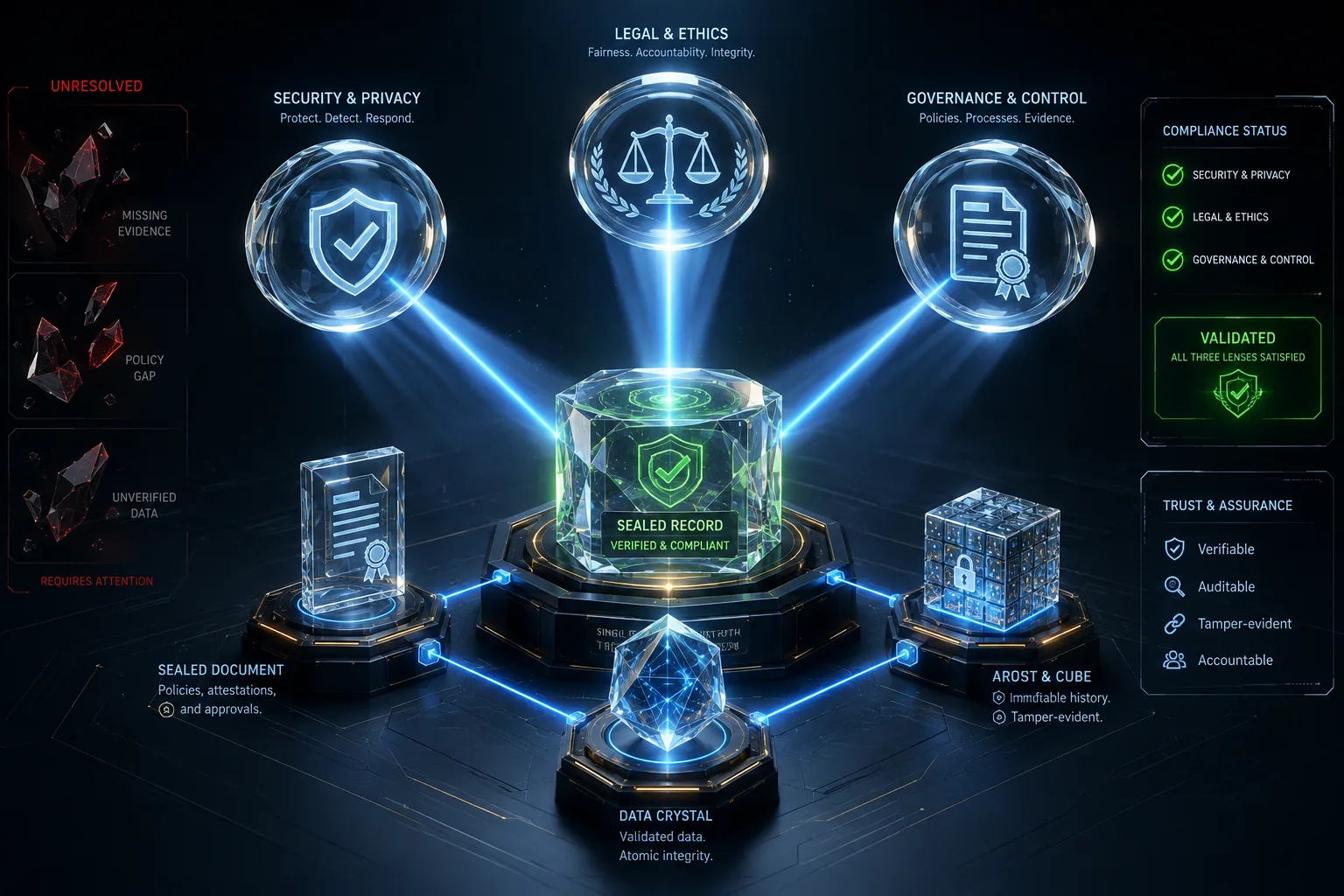
Defensible AI Decisions: The Complete Guide to Records an Auditor Can Act On
Traceability tells you what an agent did. Defensibility is a record that stands up — under the EU AI Act, NIST AI RMF and ISO/IEC 42001. The hub guide to the Decision Record, the signed packet, the evidence package, and who asks for each.

From First Trace to Evidence Package: an EU AI Act Flow Walk-Through
One agent decision, followed end to end: how it becomes an Article 12 record, an Article 13 explanation, an Article 14 oversight event — and finally lands in the evidence package a regulator receives.
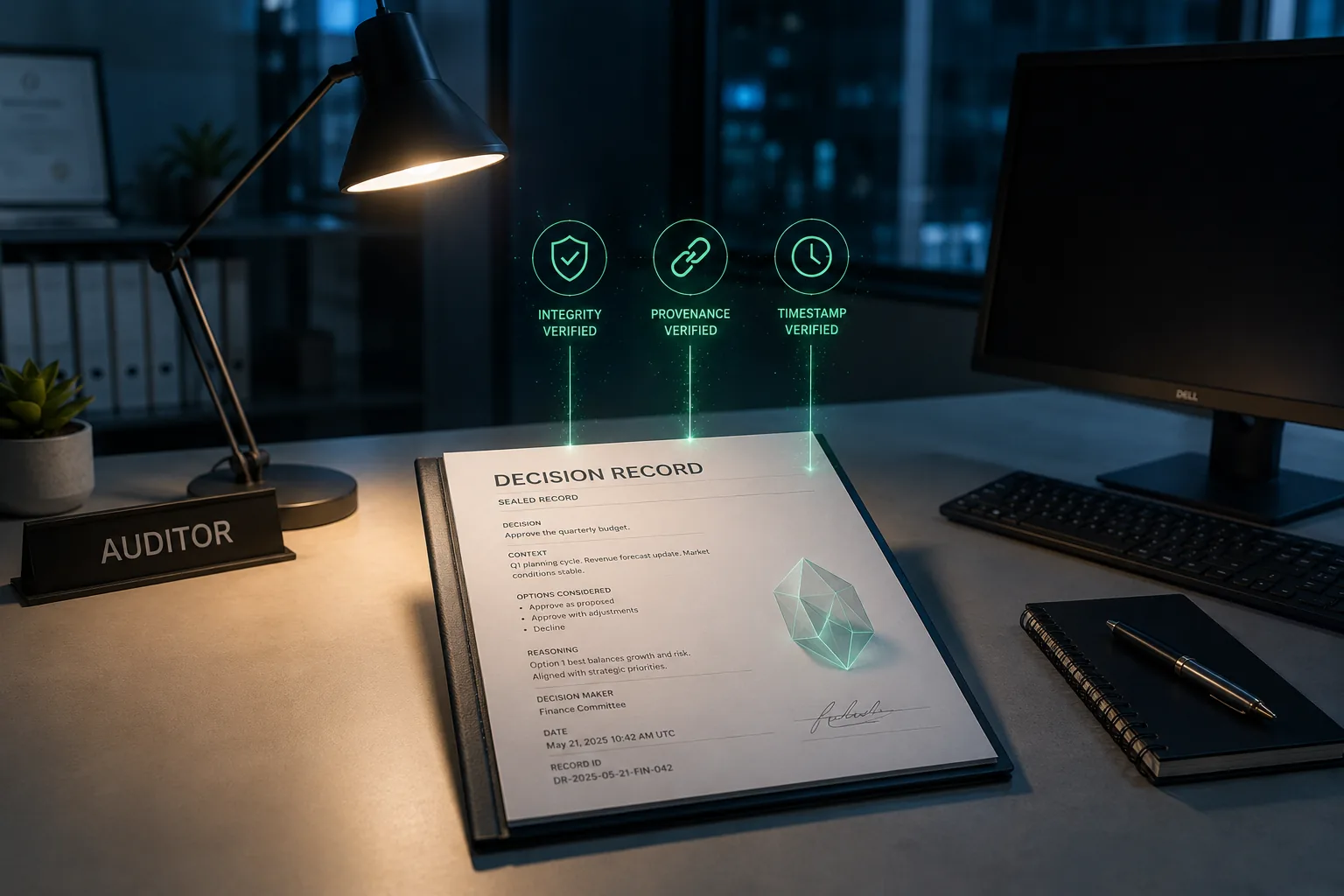
The Decision Record: the PDF an Auditor Actually Opens
Auditors do not log into your dashboard — they open a file. A page-by-page walk through the self-verifying Decision Record: human-readable account, live tamper-evidence result, signature block, and the signed machine packet embedded inside.

Inside the Signed Decision Packet (the JSON)
The machine half of a defensible decision: the packet's top-level sections — decision summary, context, deliberation, alternatives, evidence references, rationale, impact, oversight status — why it is signed, and how a third party verifies it offline.

Article 86: What Affected Persons Can Demand From Your AI
The least-covered article in the EU AI Act hands a right to the person your AI just decided about: a clear and meaningful explanation. What that means operationally, and why only per-decision records can answer it.
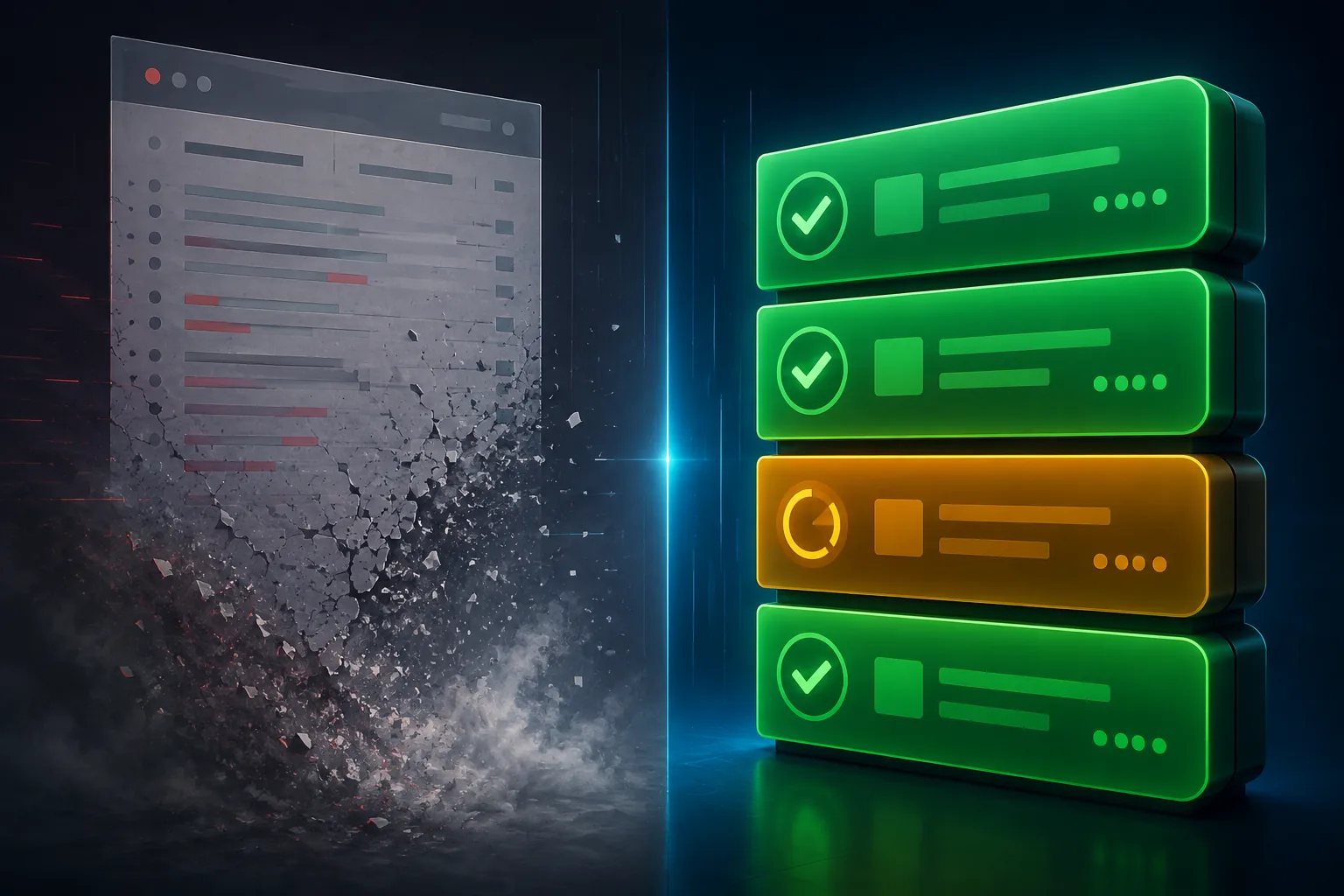
A NIST AI RMF Self-Assessment You Can Actually Finish
All four functions — GOVERN (19), MAP (18), MEASURE (22), MANAGE (13) — plus the 12 GenAI-profile risks, in a row-based format that finishes: status, evidence pointer, owner. Voluntary framework, real operating model.

ISO/IEC 42001 Readiness: 38 Controls, One Honest Score
All 38 Annex A controls (A.2–A.10), the Statement of Applicability where every control is included or excluded with a documented justification, the 12 clause artifacts — and why readiness is not certification, and ISO is not EU compliance.

Human Oversight You Can Prove (Because Machines Can't Hold the Permission)
Article 14 audits ask you to prove a human exercised the oversight. Policies assert; architecture proves: machine API keys are refused human-judgment permissions at creation, so every approval in the trail was necessarily human.

Agent-Native Onboarding: Tracing in 10 Lines (and Agents Can Sign Themselves Up)
The integrator reading your docs is increasingly an agent. Discovery via a signed agent card, a machine-readable free tier, SDKs on PyPI and npm, MCP and A2A — and the ten lines that produce your agent's first signed decision record.
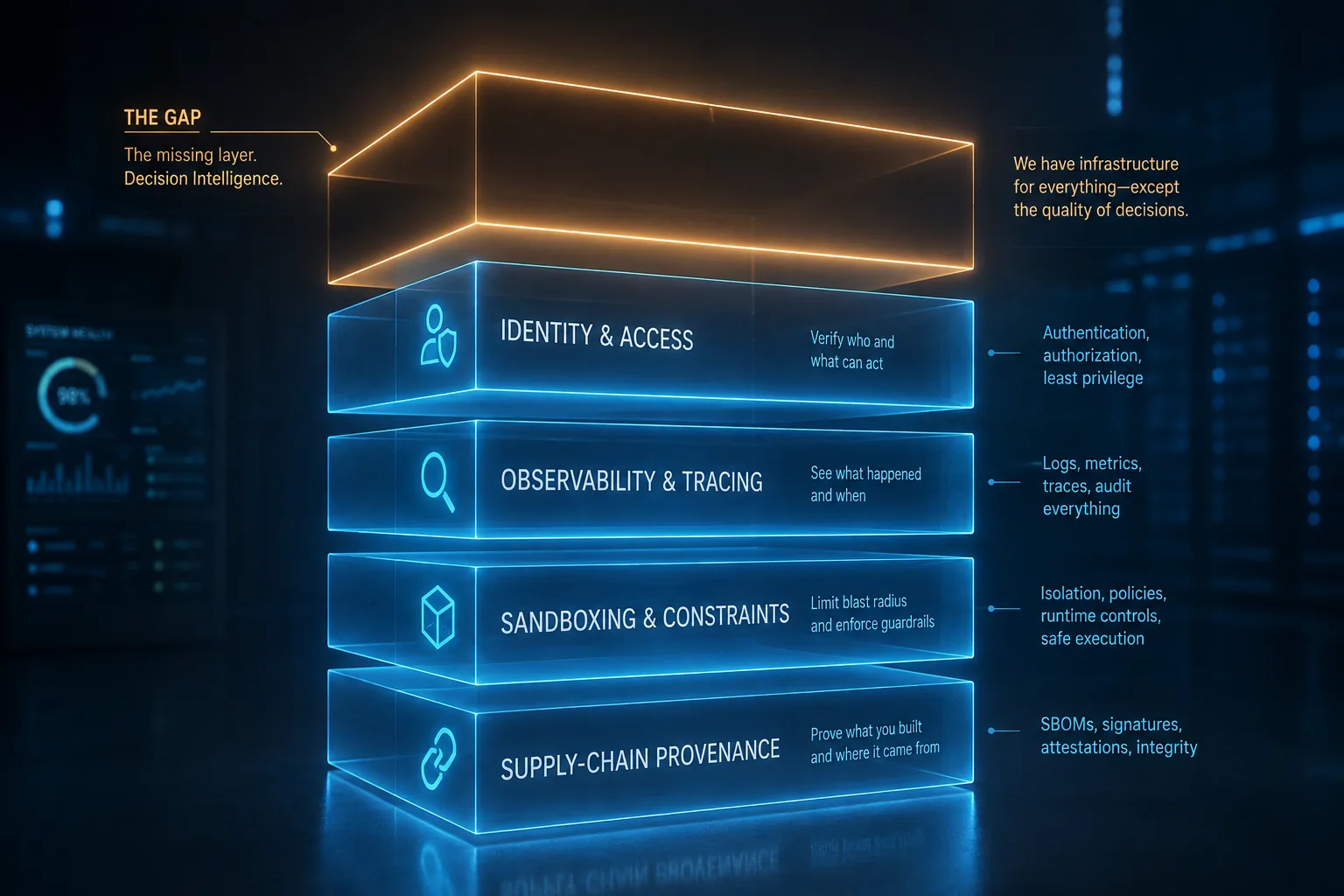
They Made Agents Traceable. We Make Their Decisions Defensible.
The 2026 agent-security stack — identity, harnesses, sandboxes, provenance — answers who, what, may, and where-from. None of it answers why a decision was defensible. Those layers are producers for the defensibility layer, not competitors.

Inside an EU AI Act Evidence Package (Folder by Folder)
What a regulator receives: per-article folders, per-decision Decision Records beside their machine packets, technical documentation — and the honest RENDER-FAILURES.txt manifest that lists anything which failed to render instead of silently dropping it.
Ready to Trace Your AI Decisions?
Start capturing decision trails today. Free tier available — no credit card required.
Start Free Trial